In an era defined by artificial intelligence, big data, and the relentless generation of information, it might seem surprising that one of the most important data storage technologies is one that has been around for over seventy years. Magnetic tape storage, a technology first commercialised in the early 1950s, is not only surviving but thriving as a critical component of modern enterprise and hyperscale data centres.
Far from being a relic of the past, tape storage is experiencing a resurgence. In 2024, a record 176.5 exabytes of compressed tape capacity were shipped, marking the fourth consecutive year of growth. This renaissance is driven by a perfect storm of factors: the exponential growth of data, the increasing cost of disk and flash storage, the need for robust cybersecurity against ransomware, and the sheer economic and environmental advantages that tape provides.
At its core, a tape storage system is comprised of three fundamental components: tape cartridges, tape drives, and tape libraries.
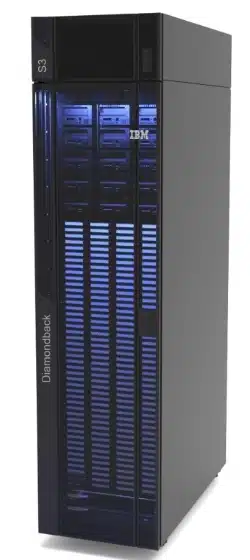
The revival of tape is not about nostalgia; it is a strategic, data-driven decision by the world's largest data consumers, including hyperscalers like AWS, Google, and Microsoft. Tape offers a unique set of advantages that make it indispensable.
Cost-Effectiveness: Tape is the undisputed champion when it comes to the cost per terabyte. For long-term data retention, the total cost of ownership of tape can be 80% lower than spinning disk and often an order of magnitude lower than active cloud storage. The LTO Program's own roadmap envisions cartridges with capacities up to 576 TB native (and 1.44 PB compressed) with LTO-14, promising to make tape even more cost-efficient in the future. This is particularly important as the enterprise storage market faces price hikes, with 30TB HDDs reportedly increasing from £3,00 to £1,000 in just one year. For organisations, moving infrequently accessed "cold" data can constitute up to 70-80% of all enterprise data—to tape makes overwhelming economic sense.
Unmatched Security and Cyber Resilience: In a world of escalating ransomware attacks, tape provides an unparalleled security advantage: an air gap. An air-gapped backup is a copy of data that is completely offline and inaccessible to a network. A tape cartridge stored securely on a shelf or in a vault is immune to malware, including ransomware, which cannot encrypt files it cannot reach. This makes tape a critical last line of defence in a "3-2-1" backup strategy (three copies of data, on two different media, with one copy stored offsite). LTO also offers features like Write-Once, Read-Many (WORM), which further protects against data being overwritten or tampered with.
Energy Efficiency and Longevity: Unlike HDDs and SSDs, which require constant power to keep data accessible, a tape cartridge consumes zero energy when not being read or written. This makes it an incredibly sustainable storage option, a factor that is becoming increasingly important as data centres grapple with their energy footprint and sustainability goals. Furthermore, tape has an impressive lifespan. Under proper storage conditions—stable temperature and humidity—a tape cartridge can reliably preserve data for 30 years or more, making it an excellent medium for long-term archival.
The use cases for tape are far more diverse than its "backup-only" reputation suggests.
- Scientific Research: CERN, the European Organisation for Nuclear Research, is one of the world's largest tape users, relying on it to store over 1.2 exabytes of physics data generated by the Large Hadron Collider. This data is critical for future analysis and must be preserved for decades.
- Media and Entertainment: Major film studios and production houses use tape to archive their massive raw footage, finished films, and audio assets. A single feature film can generate petabytes of data that must be securely preserved "forever".
- Finance and Healthcare: These sectors generate vast amounts of transactional, patient, and compliance data that must be retained for years or even decades. Tape provides a secure, immutable, and cost-effective way to meet these stringent regulatory requirements.
- AI and Machine Learning: The AI boom is a major driver of tape's growth. Training large language models (LLMs) requires massive datasets. While this data is expensive to store on high-performance flash or disk, it is ideally suited for tape when not in active use. Organisations are using tape to build vast and affordable data lakes, preserving raw data for future model retraining and iterative learning processes.
Tape storage is a classic example of a mature technology that has continuously evolved to solve new problems. While it may not be the right tool for storing active, transactional data, its unique combination of low cost, high capacity, inherent security, and long lifespan makes it the perfect solution for the data that most of the digital world has generated but needs to keep. As the world creates more data, and as the need for cyber-resilient, sustainable storage grows, the role of tape storage that’s 70 years old and counting has never been more relevant.

© 2026 LTO Ultrium Tape Storage | Enterprise LTO Tapes & Tape Storage Solutions
Worldwide Shipping Available
Smarter, strategic thinking.